Brancaccio Palace
This year again our main location is Brancaccio Palace, where classes and night parties will be held.
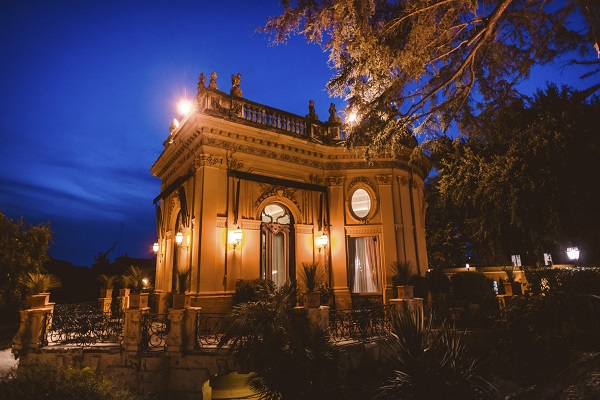
One of the most beautiful and exclusive Patrician Palaces built around the end of the 19th century, it is a rare example of classy and refined elegance. Palazzo Brancaccio dates back to 1880 and was the last Roman palace ever constructed inside the Aurelian Walls, in a beautiful natural park with old plants and fountains.
It is sited in the Monti district, between the Colosseum and the papal Basilica of S. Maria Maggiore on the Esquiline Hills, the highest and largest of Rome's seven hills. More specifically, it stands on the slopes of Colle Oppio, largely occupied by the public Archaeological Park of Trajan and its Roman ruins. Here lies the huge, still-preserved complex of Domus Aurea built by Emperor Nero Claudius Caesar.
A popular legend says that the famous Tower of Maecenas standing on the Esquiline Hill was incorporated into the Palace; according to the legend, Emperor Nero watched the Great Fire from this tower while singing and playing the lyre more than 2,000 years ago.
The palace has often been chosen as the set for movies and commercials. Palazzo Brancaccio's wonderful halls were filmed for interior scenes of two Oscar-winning movies:
- the American Roman Holiday (1953), starring Audrey Hepburn and Gregory Peck;
- the Italian The Great Beauty by Paolo Sorrentino (2013), where Rome and its beauty are celebrated.
Palazzo Brancaccio belonged to the American Mary Elizabeth Bradhurst Field, whose daughter married the Neapolitan nobleman Prince Salvatore Brancaccio. She commissioned the Roman architect Gaetano Koch to build a sumptuous palace for them.
The architect was well known in Rome for the construction of the present Bank of Italy and Boncompagni-Ludovisi Palace, now the USA Embassy. He erected a three-storey building in a classical, elegant style, with luxurious interiors, an ample curved ashlar portal and a park at the back.
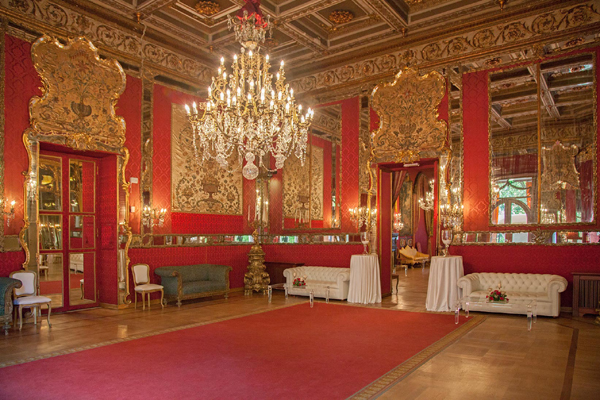
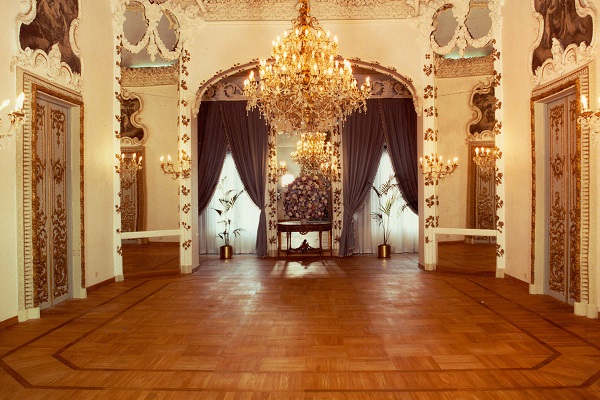
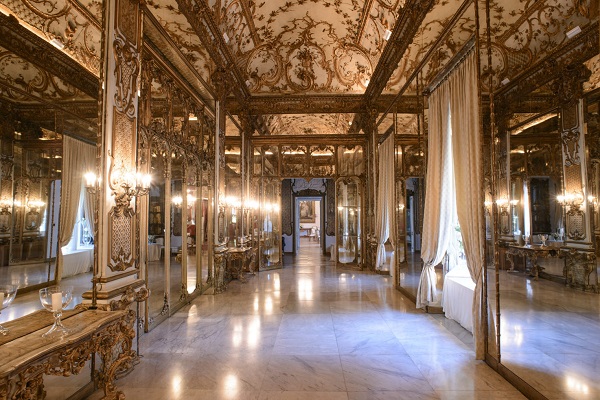
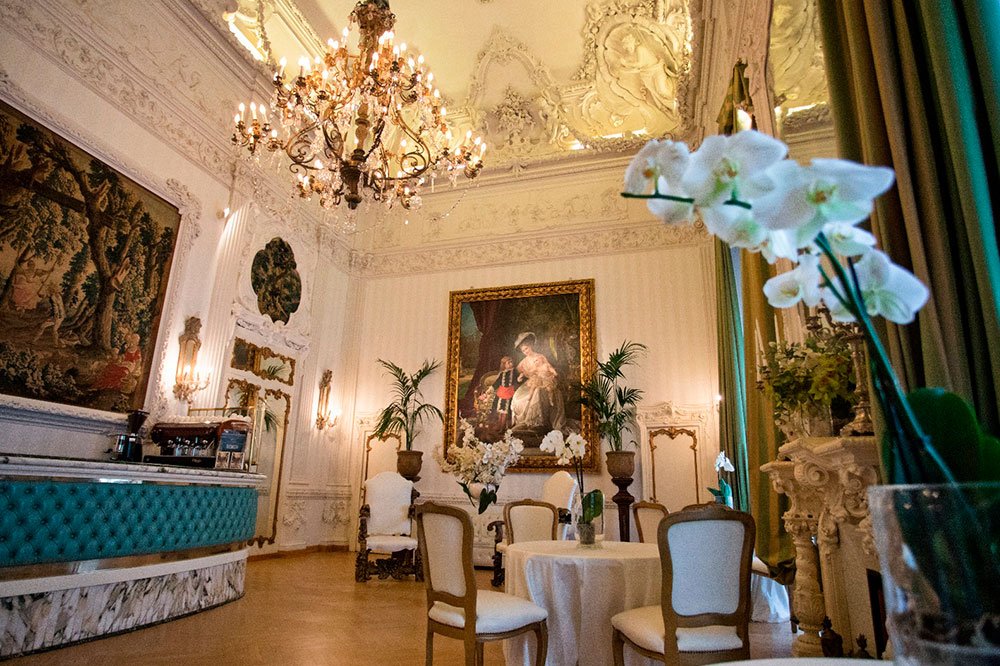
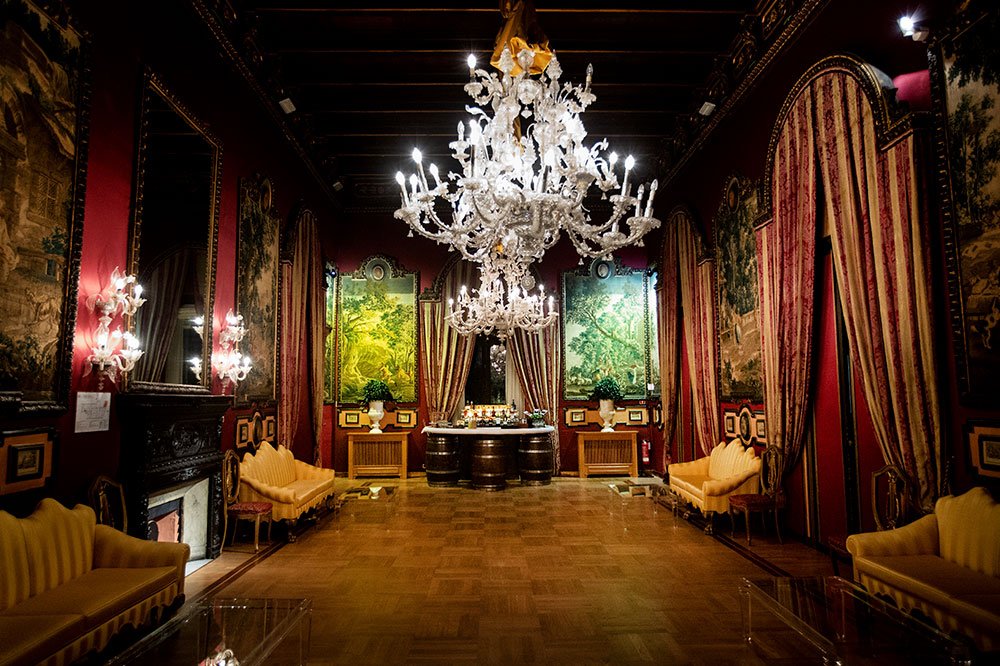
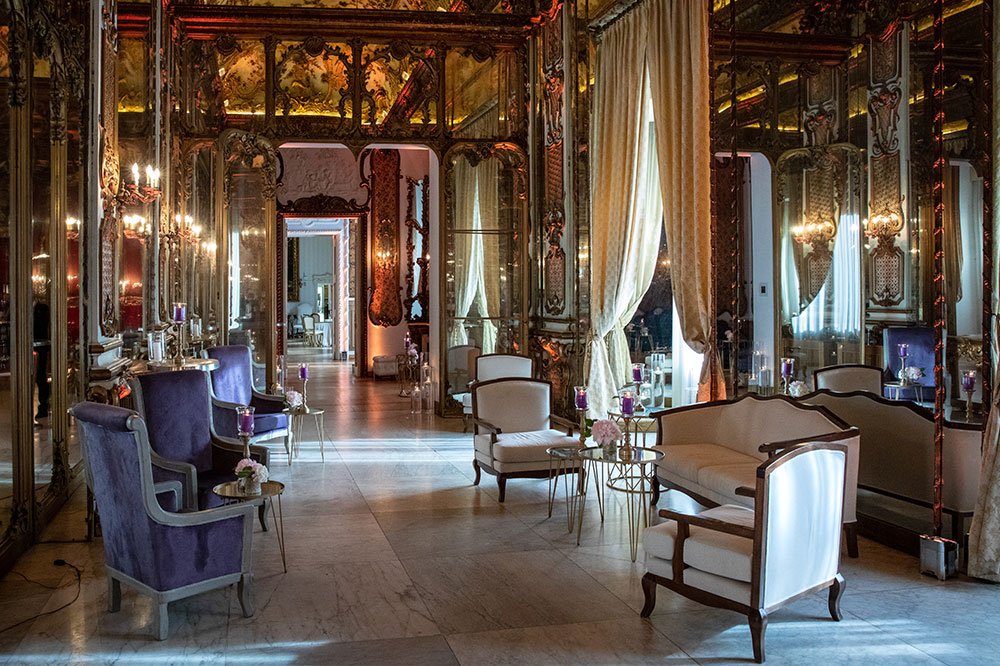
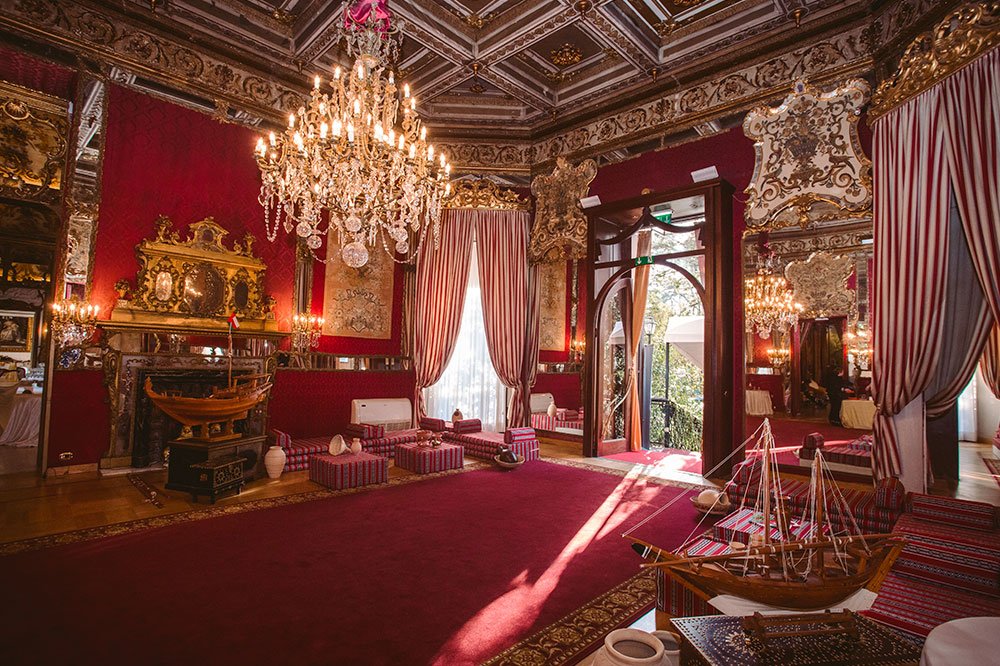
The rooms are richly decorated in baroque and rococò style with red velvet curtains, tapestries, carpets, brocade, mirrors, refined crystal chandeliers, stuccos, gold plaster and frescoes. There are many halls where you can dance, meet new friends, have a drink, enjoy an ice cream or a piece of cake: the Grand Hall, Hall of Angels, Red Hall, Tapestry Hall, Gallery of Mirrors and Room of the Vestals with its bar.